Bali has hosted remote workers for over a decade. The infrastructure is finally mature enough for serious professionals — but there are still things nobody warns you about.
Bali has been on every "best places to work remotely" list for ten years running, which means it's also on every "overrun by laptop workers" complaint thread. Both are true. The question isn't whether Bali is overrun — it is, in certain neighborhoods, at certain times of year. The question is whether you can structure your time there to actually get work done, live well, and not spend every afternoon surrounded by people who came to Bali to tell everyone they're in Bali.
Here's how to actually make it work.
The visa situation
This is where most people mess up before they even arrive.
Tourist visa (Visa on Arrival): 30 days, extendable once to 60 days total. Costs $35 USD on arrival. This is what most remote workers use. Technically you're not supposed to work on a tourist visa, but Indonesian enforcement is minimal for individual freelancers and employees. Understand the risk is yours.
Digital Nomad Visa (E33G): Launched 2023. 5-year validity, allows working remotely for non-Indonesian companies. Requirements: proof of employment or freelance income, health insurance, $2,000/month minimum income. The process takes 60–90 days and costs around $500 in fees. Worthwhile if you're planning 6+ months. For shorter stays, most people use tourist visa extensions.
The 60-day rule: After 60 days, you need to exit Indonesia and re-enter for a fresh visa. Most people do a "visa run" to Singapore, Kuala Lumpur, or Penang — a day trip that costs $100–$200 and resets the clock.
Where to base yourself
This is the decision that makes or breaks the Bali experience.
Canggu — for the digital nomad stereotype
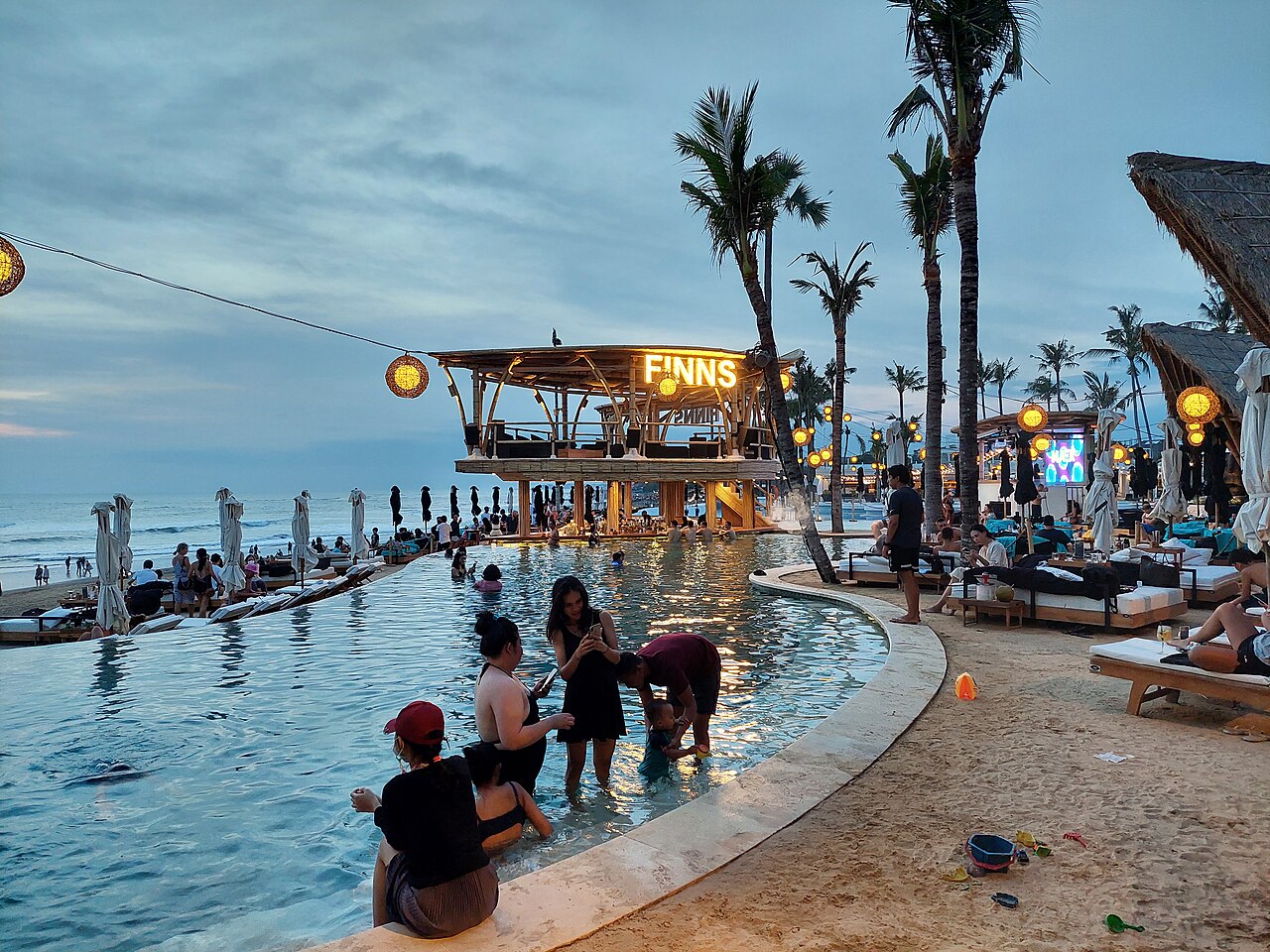
Canggu is where the Instagram Bali happens. Surf breaks, rice paddies gradually being replaced by cafes, more MacBooks per square meter than any city in Southeast Asia. The infrastructure is optimized for remote work: fiber internet at every cafe, coworking spaces on every block, Grab (the Southeast Asian Uber) working efficiently.
The honest downside: It's gotten expensive. A villa with a pool runs $60–$120/night. Restaurants targeting nomads charge $10–$15 for a bowl of smoothie and avocado toast. Traffic has gotten bad. It increasingly feels like a theme park version of Bali.
The upside: The surf is real, the sunsets are real, and there's a genuine community of people doing the same thing you're doing. If you want to meet other remote workers, Canggu is where they are.
Local secret: Seseh, 20 minutes north of Canggu, is what Canggu was five years ago — black sand beach, barely any tourists, a few warungs (local restaurants) and guesthouses. If you have a scooter and want to escape, go here on weekends.
Ubud — for focus and genuine Bali
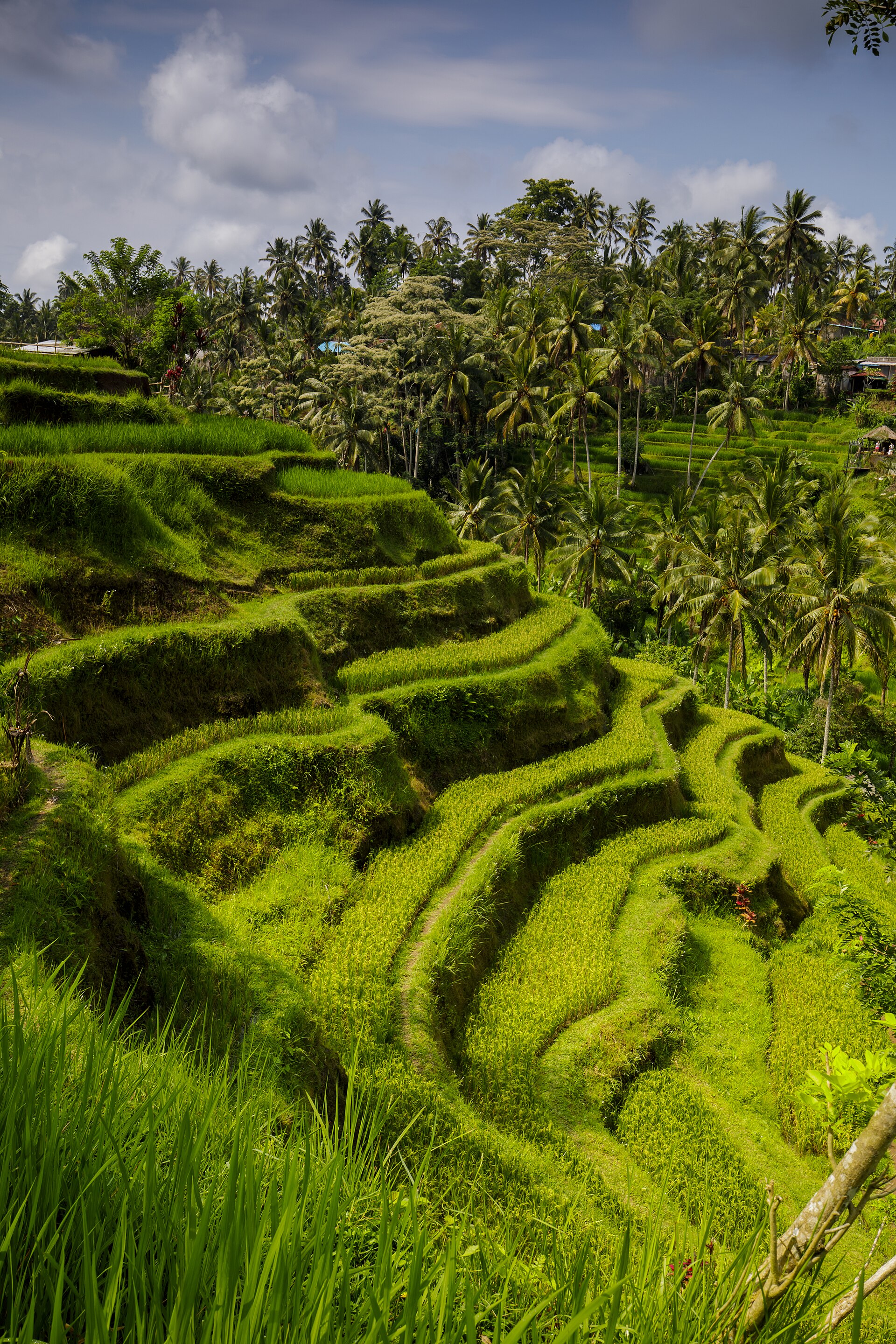
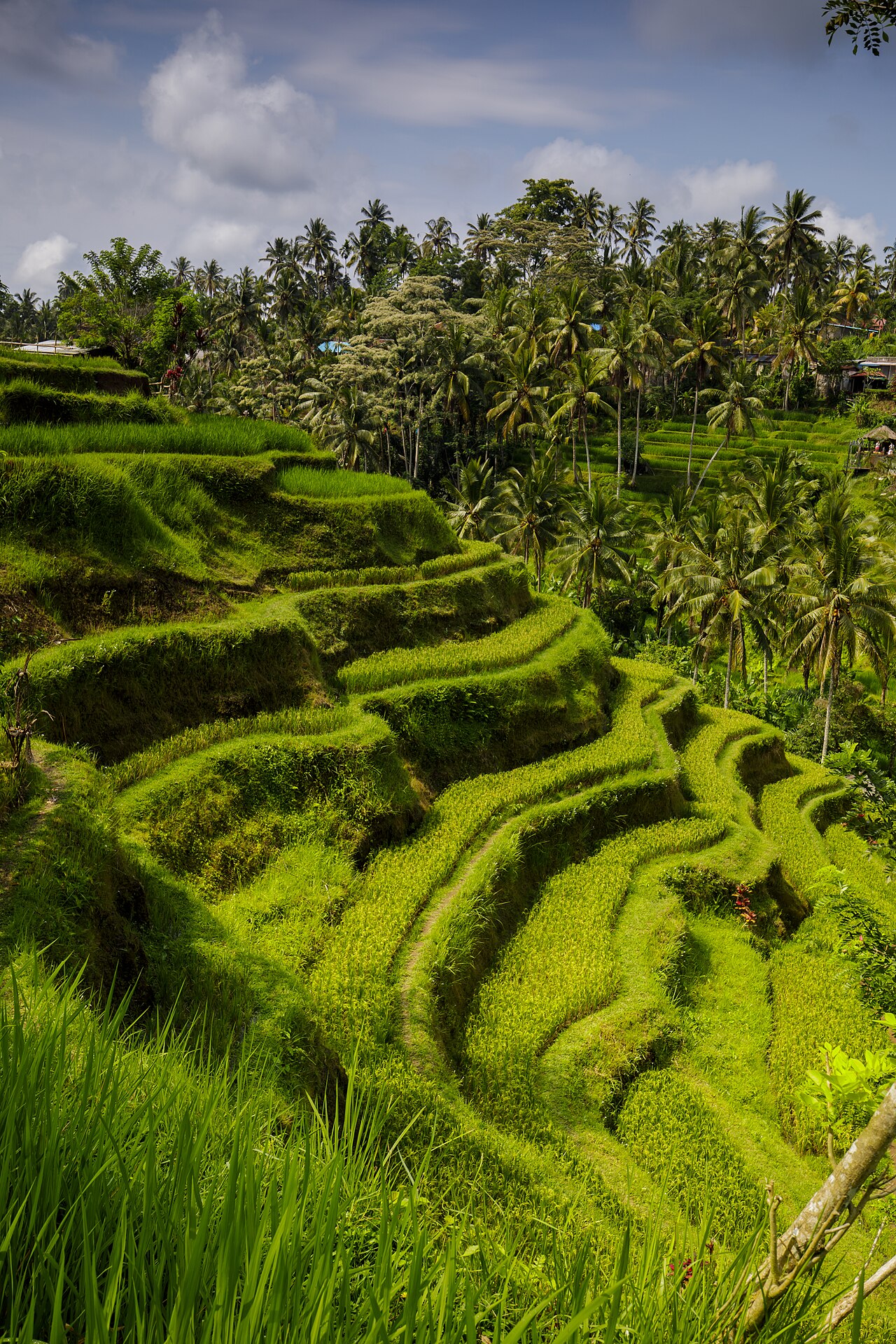
Ubud is the cultural center of the island — temples, rice terraces, traditional dance, healing practitioners, and a slow pace that either drives you crazy or clicks immediately. The internet is generally good, the cafes are quieter than Canggu, and you can walk to the Tegalalang rice terraces from town.
The honest downside: The road into central Ubud is permanently gridlocked from 10 AM to 8 PM. You need a scooter or driver for everything. It's more touristy than it used to be.
The upside: If your work requires deep focus, Ubud delivers in a way Canggu doesn't. The lack of a beach removes one category of distraction entirely.
Local secret: Penestanan, across the rice paddy from central Ubud, is where artists and longer-stay expats actually live. Walk up the steep stairs from Campuhan Ridge Walk and you're in a village that still feels like Bali. Guesthouses here cost $25–$40/night. Most tourists never find it.
Seminyak — for creature comforts
Seminyak is the upscale resort area — beach clubs, restaurants, boutique hotels. Better infrastructure than Canggu in terms of roads and power stability. More expensive. Less of a nomad community feel, more of a hotel stay.
Good choice if: you're traveling with a partner who isn't working remotely and needs the resort experience, or if you want Bali-as-holiday rather than Bali-as-office.
Best cafes to actually work from
All WiFi speeds tested at peak hours (10 AM–3 PM):
Power note: Bali gets regular power outages, usually 30–90 minutes. Coworking spaces have generators. Cafes don't always. Save your work constantly.
Cost breakdown (30 days)
| Budget | Mid-range | Comfortable | |
|---|---|---|---|
| Accommodation | $500 (guesthouse) | $900 (villa share) | $1,800 (private pool villa) |
| Food | $300 (warungs + local) | $600 (mix) | $1,000 (restaurants) |
| Scooter rental | $80 | $80 | $120 (with driver) |
| Coworking | $0 (cafes) | $150 | $250 |
| Activities | $100 | $200 | $400 |
| Total | ~$980 | ~$1,930 | ~$3,570 |
The $1,500–$2,000/month sweet spot gives you a private room with AC, good food, a scooter, coworking a few days a week, and weekend activities. It's genuinely hard to spend money here if you eat local.
What nobody tells you
Scooter culture is mandatory. Everything is designed around having a scooter. You can use Grab, but it adds up. Rentals run $80–$100/month. You will drop it once. Wear long pants.
Rainy season is real. October to April, with peak rain November to February. It doesn't rain all day — typically heavy downpours for 1–2 hours in the afternoon. Work in the morning, beach in the morning, wait out the rain with coffee.
The internet is inconsistent. Even in Canggu. Have a backup: a local SIM card with data (Telkomsel or XL, $15/month for 20–30GB) that you can hotspot from when café WiFi fails during a call.
Everything closes early. Many local warungs shut by 9 PM. Plan accordingly.
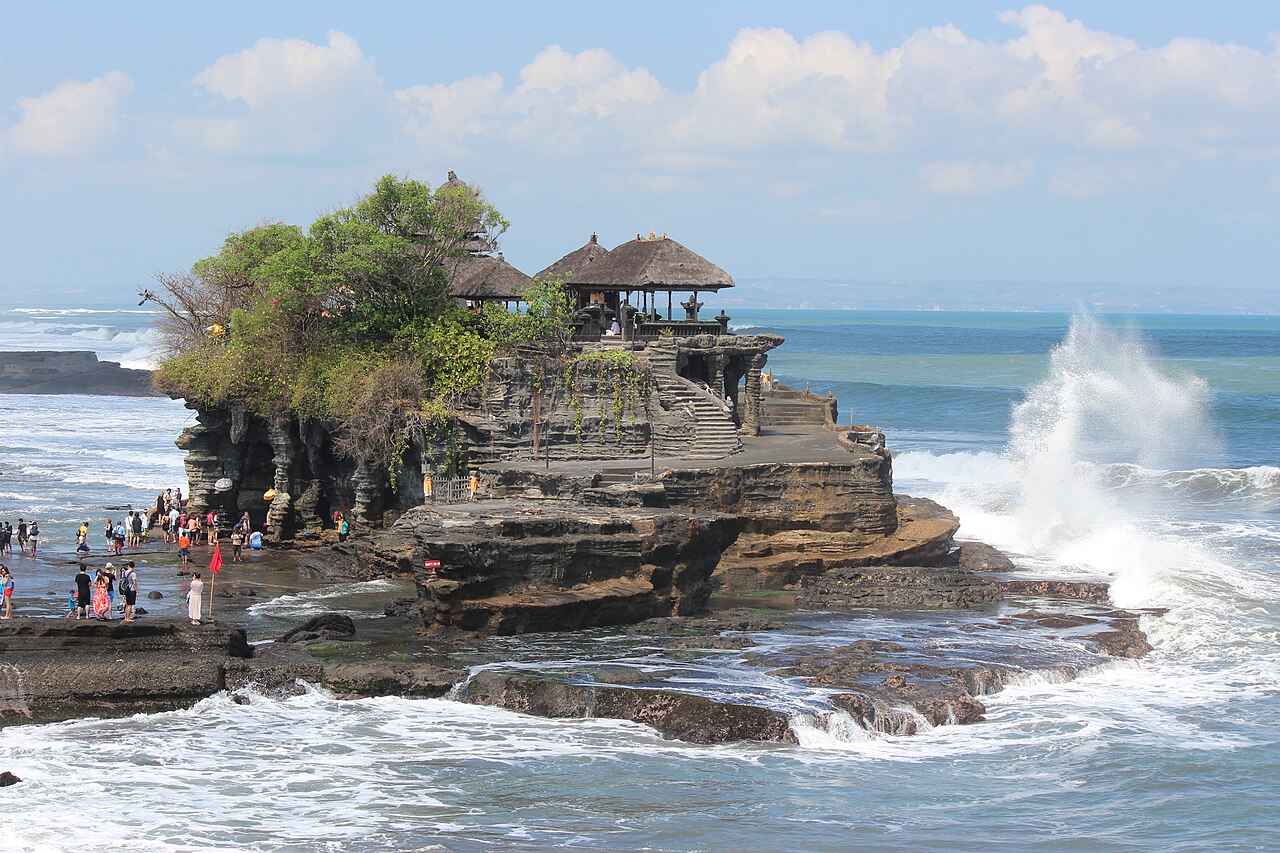
The spiritual infrastructure is genuine. Bali is Hindu in a Muslim-majority country and the temple ceremonies, daily offerings, and religious calendar are real. Be respectful at temples (Tanah Lot, Pura Besakih), cover your shoulders and waist.
Getting around
Scooter (mandatory, learn to ride before you go if you don't know how). Grab for longer distances or nights out. Hire a driver for day trips — ¥500,000–¥700,000 IDR ($35–$50) for a full day, a reasonable split if you're exploring with another person.
A guided rice terrace and temple day tour runs about $35 and covers Tegalalang, Tirta Empul, and Mount Batur in one day — useful for the first week when you're orienting yourself.
Where to eat
Practical notes
SIM card: Buy Telkomsel at the airport. ¥120,000 IDR (~$8) gets you a card and 10GB. Top up at any convenience store.
Health: Don't drink tap water. Dengue fever is real — mosquito repellent in the evenings. Travel insurance is mandatory.
Money: ATMs everywhere in tourist areas. Fees add up — withdraw larger amounts less frequently. BCA and BNI ATMs have the lowest foreign fees.
Bali works if you pick the right neighborhood for how you work, get a scooter, eat local, and resist the pressure to turn every afternoon into a photoshoot. The people who hate it tried to replicate a Western lifestyle at inflated prices. The people who love it figured out that ¥30,000 IDR nasi goreng at a plastic table is the actual point.
✈️ Ready to Book? Find Cheap Flights
Book with our travel partners
Compare flights, hotels, and experiences for Bali.
Plan My Trip →
Get a free personalized travel itinerary from our advisors within 24 hours.


